
Coronavirus (COVID-19) IMPORTANT MESSAGE TO CLIENTS & VISITORS
Ian Campbell • 23 March 2020
In line with the association’s responsibilities under Workplace Health and Safety Laws to ensure a safe workplace for all employees, Borg & Salce Accountants has established guidelines as a precaution regarding entry to this office at 738A High Street, Epping.
Clients & Visitors should NOT
enter the office if you have:
• been diagnosed with Coronavirus.
• come into contact with anyone affected by Coronavirus;
• arrived in Australia within the 14 days prior to the proposed date of entry (if arrival was after midnight 15 March 2020);
• travelled to countries with a government risk rating of High
(Mainland China, Iran, Italy, Republic of Korea) or Moderate
(Cambodia, Indonesia, Japan, Singapore, Thailand) in the 14 days prior to the proposed date of entry;
• come into contact with anyone who has travelled to countries with a government risk rating of High or Moderate in the 14 days prior to the proposed date of entry;
• symptoms of the common cold which may include cough, sore throat, low-grade fever, nasal congestion, runny nose, and sneezing.
Please note the Borg & Salce Accountants office will be closed for walk-in service until further notice.
Should you need to drop off documents, could you please leave them at the top of the stairs and give a courtesy call to reception on 9408 9633 to advise them of the drop off.
Our Accountants & Bookkeepers are available to answer any questions and concerns you may have, appointments can still be made and are done over the phone, give us a call on 9408 9633 or send us an email reception@borgsalce.com.au
we are here to help.
If you need to make a payment, please be aware we also have a online payment gateway via our website www.borgsalceaccountants.com.au
We apologies for any inconvenience during this time, be sensible, look after each other. We will be fine.
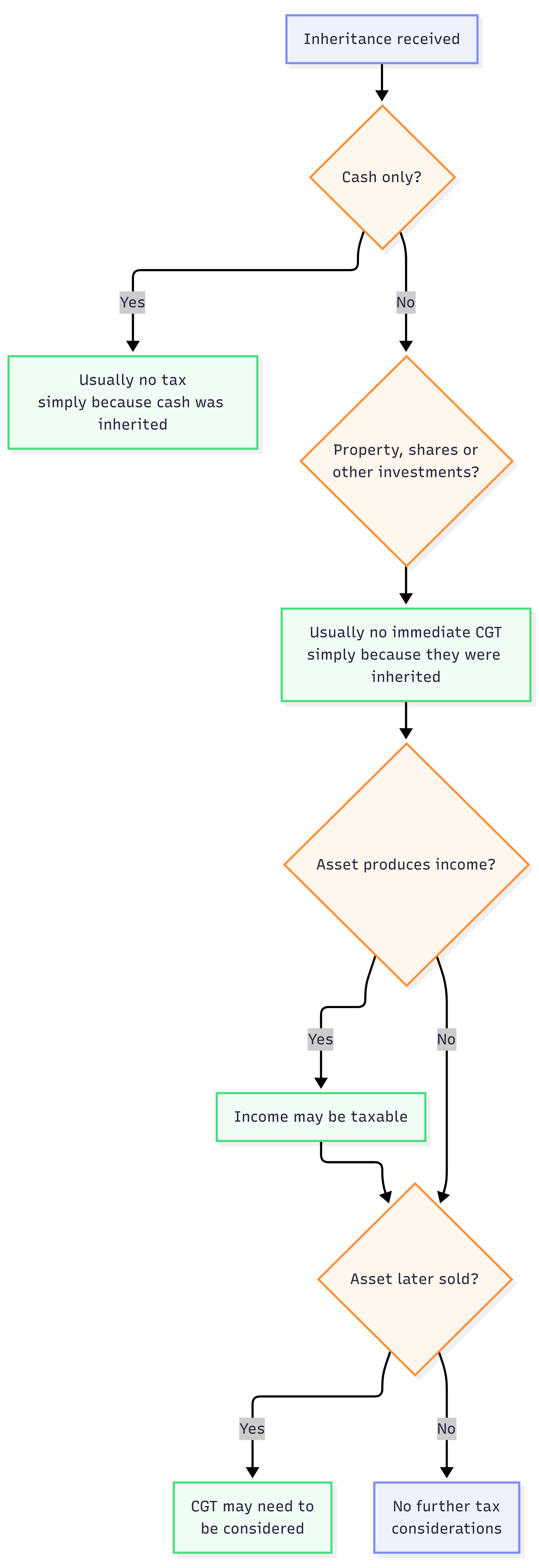
Australia has no inheritance tax. So why can an inheritance still create a tax bill?
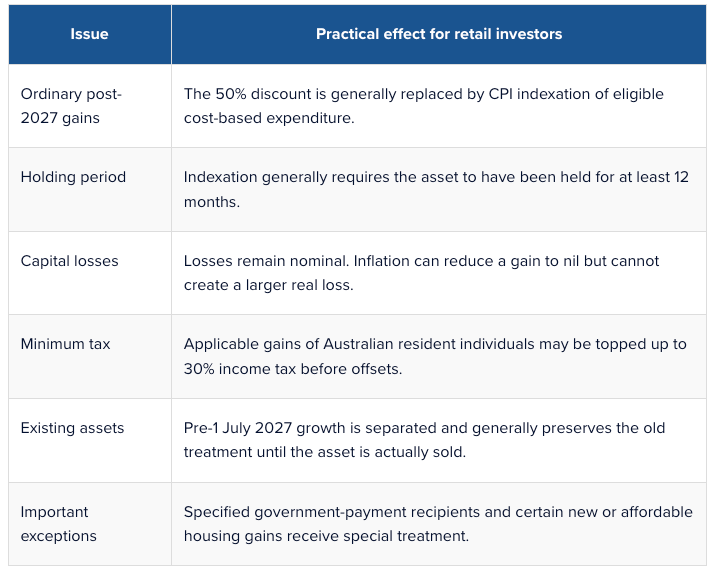
New CGT rules from 1 July 2027 The new rules at a glance
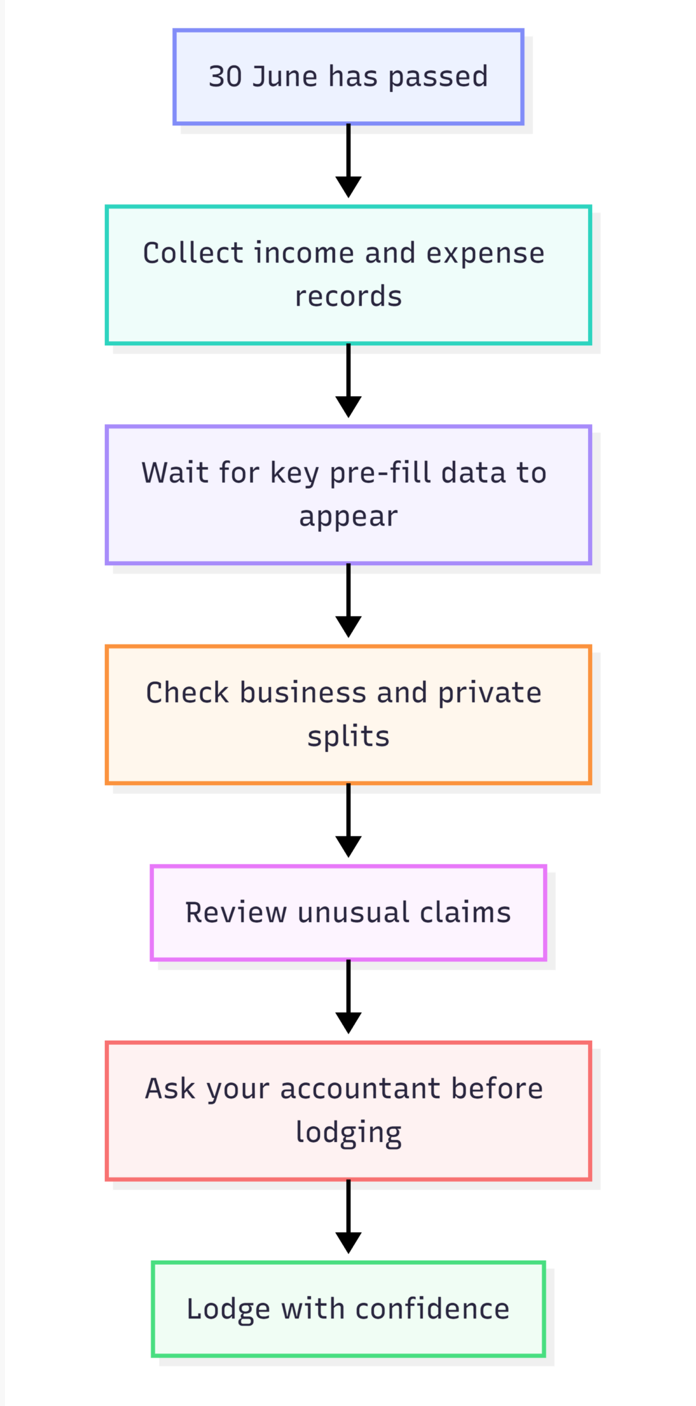
Tax time 2026: prepare before you lodge, not after the ATO asks The 2025–26 financial year has now ended. For many individuals, sole traders and small business owners, the first instinct after 1 July is to lodge quickly and wait for a refund. That can be tempting, but it is not always the best approach. This year, a safer approach is to slow down, check the records, confirm that pre-filled information is complete, and make sure any deductions are supported before lodgement. The Australian Taxation Office has access to more data than many people realise. It can compare your tax return with information from employers, banks, share registries, crypto exchanges, digital platforms, property managers and other third-party sources. Most tax issues do not arise because clients are trying to do the wrong thing. They often arise because income is forgotten, expenses are estimated, business and private costs are mixed, or records are not available when the ATO asks questions months later. This newsletter outlines the areas the ATO is likely to question in 2026 and what you can do now, after 30 June, to prepare properly. Why rushing after 1 July can create problems Lodging early can be useful if your records are simple and complete. However, many tax returns are not complete in the first few days of July. Employers, banks, health funds, government agencies, share platforms and investment providers may still be finalising their reporting. If you lodge before all information is available, you may miss income or claim deductions against incomplete data. That can lead to amendments, delays, ATO questions, interest charges or penalties. A better post-30 June approach