
COVID-19 Clerks Award Amendments
Ian Campbell • 5 April 2020
Clerks Award Amendments
On the weekend the Fair Work Commission amended the clerks flexibility provisions to insert a new schedule in regard to the COVID 19 Pandemic.
The changes are from the first full pay period after the 28th March and expire 30 June unless extended.
The changes in summary are:
Ordinary hours of work have changed when working from home, they are now 6am to 11pm Monday to Friday and 7 am to 12.30pm on Saturday.
When working from home Part Time and casual employees shifts can be reduced to 2 hours.
You can agree to take annual leave at half pay by agreement.
Hours of work can be reduced by up to 25% with 75% of the affected staff need to agree, leave will still accrue at your normal rate.
Employees can work a second job.
Should you require any further information please do not hesitate to contact us.
Download the Amendments:
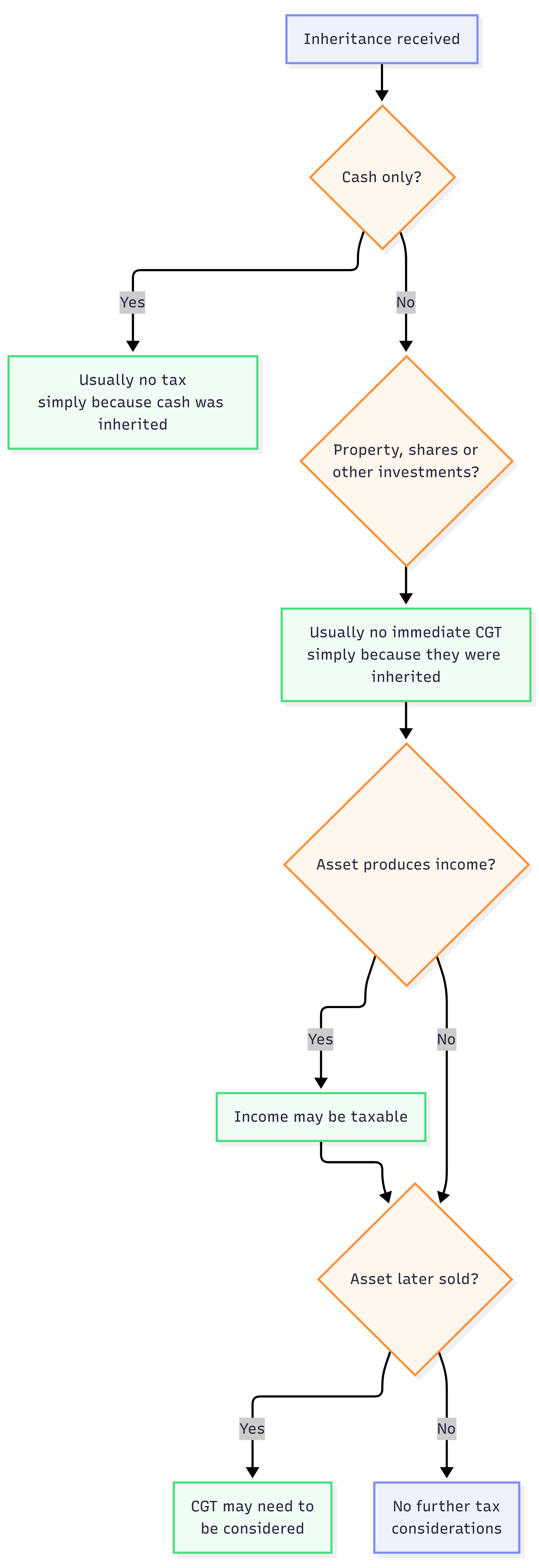
Australia has no inheritance tax. So why can an inheritance still create a tax bill?
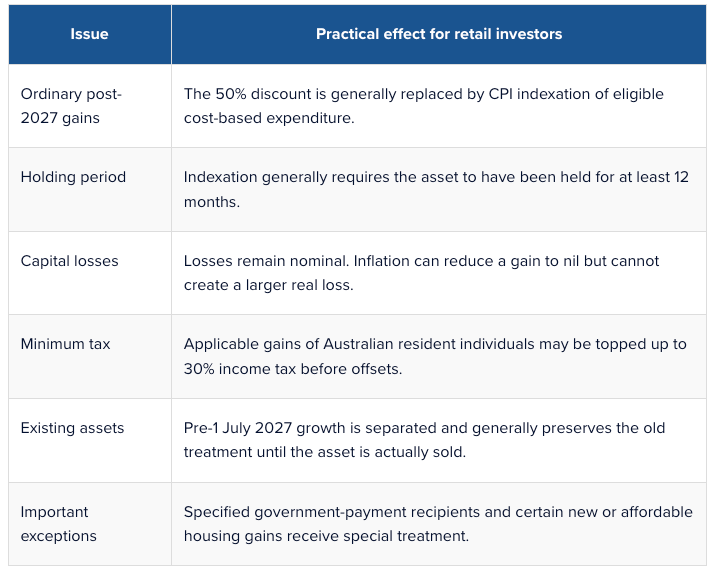
New CGT rules from 1 July 2027 The new rules at a glance
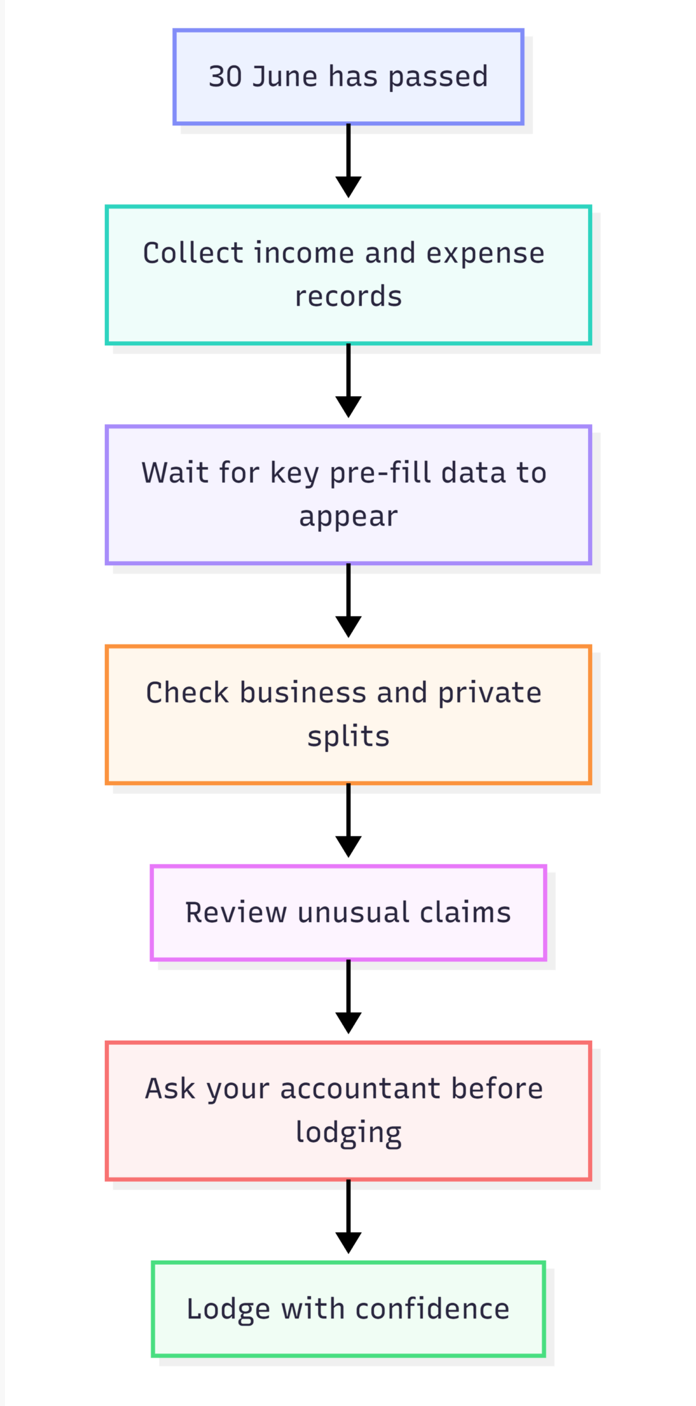
Tax time 2026: prepare before you lodge, not after the ATO asks The 2025–26 financial year has now ended. For many individuals, sole traders and small business owners, the first instinct after 1 July is to lodge quickly and wait for a refund. That can be tempting, but it is not always the best approach. This year, a safer approach is to slow down, check the records, confirm that pre-filled information is complete, and make sure any deductions are supported before lodgement. The Australian Taxation Office has access to more data than many people realise. It can compare your tax return with information from employers, banks, share registries, crypto exchanges, digital platforms, property managers and other third-party sources. Most tax issues do not arise because clients are trying to do the wrong thing. They often arise because income is forgotten, expenses are estimated, business and private costs are mixed, or records are not available when the ATO asks questions months later. This newsletter outlines the areas the ATO is likely to question in 2026 and what you can do now, after 30 June, to prepare properly. Why rushing after 1 July can create problems Lodging early can be useful if your records are simple and complete. However, many tax returns are not complete in the first few days of July. Employers, banks, health funds, government agencies, share platforms and investment providers may still be finalising their reporting. If you lodge before all information is available, you may miss income or claim deductions against incomplete data. That can lead to amendments, delays, ATO questions, interest charges or penalties. A better post-30 June approach